
How to Increase Business Sales Through Customer Retention
Customer retention is the fastest path to higher sales. Learn proven strategies to keep customers coming back, reduce churn, and grow your revenue without constantly chasing new leads.
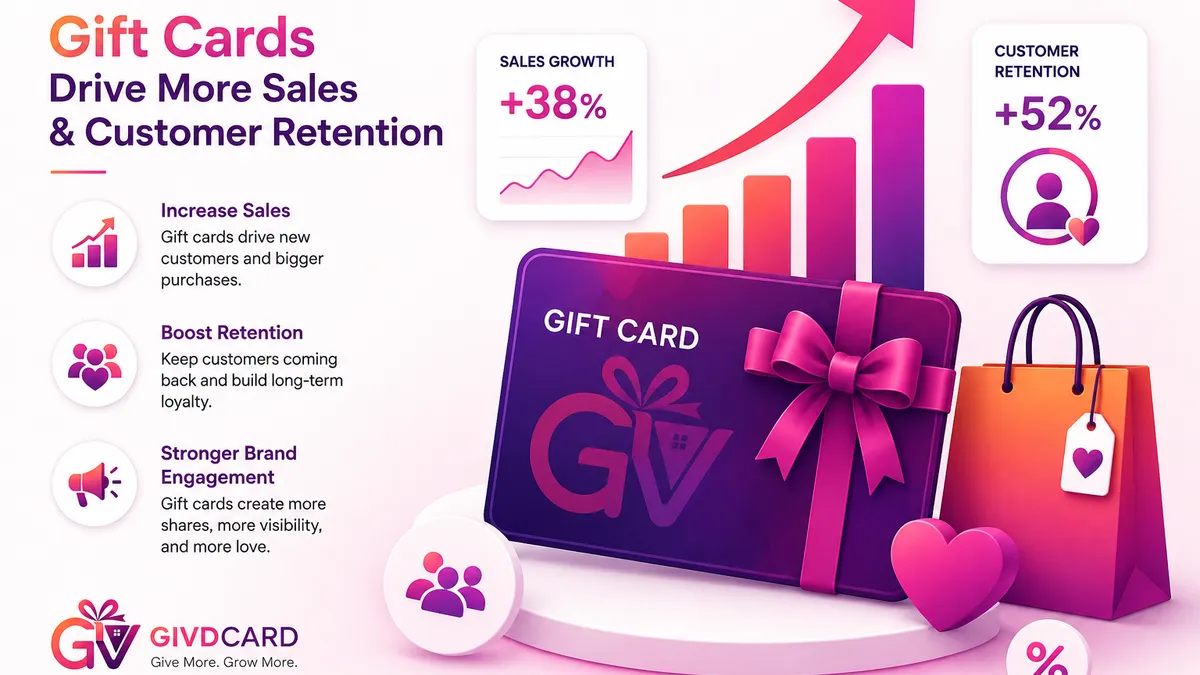
Most businesses chase new customers. The smarter ones invest in keeping the ones they already have.
Customer retention is not just a support metric. Done right, it is the most reliable lever for increasing sales without inflating your marketing budget. A 5% increase in retention can boost profits by 25% to 95%, according to research by Bain & Company.
This article breaks down why retention outperforms acquisition and how you can turn occasional buyers into loyal, repeat customers.
Why Customer Retention Drives Sales Growth
Existing Customers Spend More
Repeat customers are 50% more likely to try new products and spend 31% more than first-time customers on average. They already trust your business, so they need less convincing at every step.
Acquisition Is Expensive
Acquiring a new customer costs five to seven times more than retaining an existing one. Every dollar you invest in retention delivers a higher return than the same dollar spent on ads, cold outreach, or discount-driven acquisition.
Word of Mouth Compounds
Loyal customers refer others. A retained customer who loves your business becomes a free marketing channel. Referred customers also have a 16% higher lifetime value and a 37% higher retention rate themselves.
Predictable Revenue
A stable base of repeat customers smooths out revenue fluctuations. Instead of riding the feast-or-famine cycle of acquisition campaigns, you build a floor under your monthly revenue that grows over time.
Proven Customer Retention Strategies
1. Build a Loyalty or Rewards Program
Reward customers for coming back. A well-designed loyalty program turns one-time shoppers into habitual buyers. Points, tiers, cashback, or exclusive perks — the framework matters less than the consistency.
Customers enrolled in loyalty programs spend 12–18% more per year than those who are not.
2. Personalize Every Interaction
Use purchase history, browsing data, and preferences to tailor offers, product recommendations, and messaging. Personalization makes customers feel seen, and customers who feel seen stay longer.
Emails with personalized subject lines have a 26% higher open rate. Personalized product recommendations can lift conversion rates by 5–15%.
3. Collect and Act on Feedback
Happy customers want to be heard. Unhappy customers want to be fixed. A simple post-purchase survey or NPS check-in uncovers friction points before they turn into lost revenue.
The act of asking for feedback alone signals that you value the relationship. Closing the loop — by acting on that feedback — cements loyalty.
4. Offer Subscription or Membership Models
Recurring revenue models convert one-off buyers into ongoing relationships. Whether it’s a monthly box, a membership tier, or a retainer service, recurring models create predictable cash flow and habitual engagement.
5. Create a Smooth Onboarding Experience
First impressions determine churn. A customer who struggles in the first 48 hours is far more likely to leave than one who experiences a frictionless start. Invest in onboarding guides, welcome sequences, and proactive support.
6. Use Gift Cards and Store Credit as Retention Tools
Gift cards are not just for gifting. They are retention assets. When a customer carries a balance with your business, they have a built-in reason to return. Store credit issued for returns also keeps money inside your ecosystem instead of losing it to a refund.
Digital gift card platforms let you issue cards instantly, track balances in real time, and run reload campaigns that bring customers back on a schedule.
7. Surprise and Delight
Unexpected rewards — a free upgrade, a handwritten note, early access to a sale — create emotional connections that transactional loyalty cannot match. Surprise triggers word of mouth and deepens the customer relationship faster than any discount.
How to Measure Retention
Before you invest in retention, know your baseline:
- Repeat Purchase Rate — What percentage of customers buy more than once?
- Customer Lifetime Value (CLV) — How much revenue does the average customer generate over their relationship with you?
- Churn Rate — What percentage of customers stop buying each month or year?
- Net Promoter Score (NPS) — How likely are customers to recommend you?
Track these monthly. Improvements in any one of them will directly impact your bottom line.
The Retention-First Mindset
Acquisition brings customers in the door. Retention keeps them there. The businesses that grow fastest are the ones that master both — but the ones that grow most profitably lean into retention first.
Start with one strategy from this list. Measure the impact. Expand from there. Over time, a retention-first approach transforms your customer base from a revolving door into a durable, revenue-generating asset.
If you are looking for a simple way to embed retention into your operations, a branded gift card program is one of the lowest-effort, highest-impact tools available — and it pays for itself with the first reload.